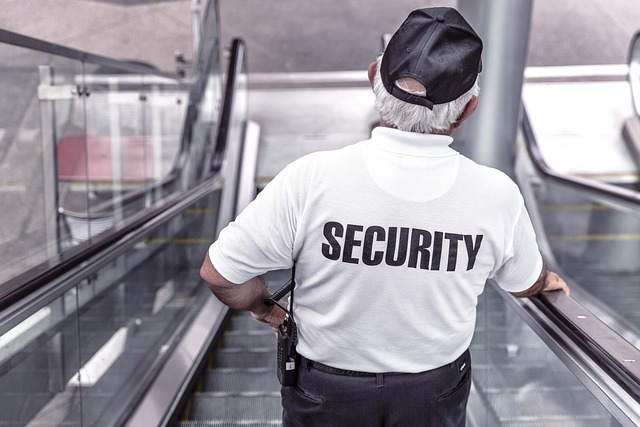
How Manned Guards Strengthen Banking Security Systems In Bangladesh

Banking in Bangladesh has been changing so quickly that sometimes it feels like the entire system is running faster than people can keep up. Branches are crowded almost every day, ATM booths stay open all night, and customers expect everything to be quick and safe at the same time. With all that happening, banks can’t just depend on fancy cameras or digital locks and think everything will be fine. Those things are helpful, sure, but they don’t replace the need for trained people who can step in at the exact moment something feels wrong. That’s why manned guards are still at the heart of banking security systems in Bangladesh, even now when almost everything else is becoming digital.

Some people might assume banks run mainly on technology these days, but that’s not really how things work in real life. Machines can record, detect, and sometimes even warn you about something, but they can’t calm a tense customer or stop a dangerous situation in the middle of it happening. A human being can. So while banks use plenty of modern tools, it’s the manned guards who connect everything together and make the system feel solid.

Why Banks Still Depend So Much on Manned Guards

Walk into any bank in Dhaka or Chattogram or Sylhet, and almost always the first thing you notice is the guard by the entrance. It seems simple, but that presence does more work than most people realise. Banks deal with money, lots of people, long lines, arguments, misunderstandings, and sometimes emotions that can get a little heated. A camera can’t tell if someone is about to lose their temper. But a guard usually can. And they respond immediately, not after reviewing footage later.

Bangladesh has a very active banking environment, branches are busy for most of the day, and a single small incident can break the workflow for everyone inside. Manned guards provide a kind of stability that technology alone can’t manage. They offer human judgement, and honestly, that still counts for a lot in a place where many things can change in a matter of seconds.

A Visible Presence That Keeps Trouble Away

One of the strongest parts of banking security is something you can see right away: the guard’s uniform and posture. Criminals try to avoid places where they expect resistance. So when a guard stands at the door or near the ATM booth with a confident look and a trained sense of awareness, it signals that this branch isn’t an easy target. A uniformed guard doesn’t have to say anything; the message is already clear.

Branches located in areas like Motijheel, Gulshan, Dhanmondi, Mirpur, Uttara, or Agrabad handle high-value transactions almost constantly. People feel safer when they see someone keeping watch. Even staff feel more comfortable knowing that someone is paying attention to the environment rather than just staring at a screen or waiting for a machine to sound an alarm.

Managing Movement And Flow Inside The Bank

Inside a bank, a guard does far more than just sit near the entrance. They watch who enters, who lingers too long, who tries to move toward the wrong areas, and who might need help finding the right counter. Banks have spaces that customers should never access  back offices, cash rooms, data rooms, vault areas. A guard quietly ensures that only the right people go where they’re supposed to go.

During busy hours, which can almost feel like rush-hour traffic inside a building, guards help guide people, prevent line-jumping, and make sure the atmosphere stays calm. Their presence reduces the pressure on staff who already have enough work to handle. If there’s a misunderstanding between customers or if someone seems confused or frustrated, the guard often steps in before the situation grows into something messy.

Making ATM Booths Safer For Everyone

ATM booths in Bangladesh operate day and night, but not every location is equally busy after dark. A lot of people feel nervous visiting a booth late at night, especially in quieter places. A guard standing nearby immediately makes the booth feel safer. It also protects customers from someone trying to hover too close or behaving strangely.

Guards notice if someone is tampering with the machine or trying to hide their face from the camera. Many ATM crimes happen quietly and quickly, and a guard reduces those chances almost instantly. People prefer using well-guarded booths because they trust the environment a bit more.

Helping With Cash Handling And Sensitive Movements

Cash handling is probably the riskiest part of banking operations. Cash moves between counters, vaults, vans, and ATM boxes throughout the day. For those few minutes when large amounts of money are in transit, the bank becomes more vulnerable. Manned guards support this entire process by escorting the movement, watching the surroundings, and keeping the path clear and safe.

Even a small mistake during a cash transfer can cause serious trouble. That’s why guards trained specifically for cash handling are so important. They understand timing, awareness, and how to keep distractions away when everything must move quickly and safely.

Responding To Emergencies In Real Time

Banks deal with a wide range of unexpected situations. A disagreement between customers can escalate suddenly. A customer may faint or panic while standing in line. A fire alarm might ring because of an electrical issue. Cameras can record the incident, but they can’t jump in and fix anything. Guards do.

A trained guard responds instantly, guiding people out, calming down the situation, protecting the staff, and contacting the right emergency services. Their quick thinking normally prevents something small from turning into something big. It’s one of the main reasons banks trust trained human security much more than any automated system.

Protecting The Hidden Parts of the Bank

Banks contain rooms and areas the public never sees, but these places need strong protection as well. Vault rooms, server spaces, document storage, and cash sorting areas hold sensitive materials that require more than just a password or a metal door. Guards make sure only authorized staff step inside, and they stay alert when documents or high-value packages are moved from one part of the bank to another.

Since guards understand the internal layout of the building, they can identify if something looks out of the ordinary, even when it’s something small. Their familiarity with the environment lets them catch issues early.

Spotting Suspicious Behavior Before It Becomes A Threat

A lot of security problems begin long before the actual event. Someone might look anxious, walk back and forth, pretend to fill out a form while watching the cash counter, or linger near the ATM machine without purpose. A good guard picks up these signals far earlier than a camera system can interpret them.

This type of early observation is one of the biggest strengths of manned guards. They notice the tiny details that technology often misses. Their instincts help prevent many security incidents before they even start.

Keeping Order During High-Traffic Hours

Bangladesh’s banking environment often feels like a marketplace, especially on salary days or festival periods. Lines get long, people become impatient, and staff get overwhelmed. Manned guards step in to maintain order and reduce tension. Their guidance helps elderly customers, keeps queues steady, and prevents customers from crowding tellers.

This makes the entire branch function more smoothly. Customers appreciate it, and staff can focus on their actual banking tasks rather than trying to manage the crowd.

Supporting Staff In Their Daily Routines

Bank employees carry a lot of responsibility. They manage money, customers, documents, and computers all at once. Guards make their daily routines much easier. During opening and closing hours, guards check the surroundings and protect the staff while they prepare the branch. When sensitive materials or cash bags need to be moved, the guard assists quietly but efficiently.

Employees feel more confident and relaxed when they know someone is watching their safety. It also improves the overall work environment, because staff feel protected and supported.

Connecting With Local Police During Serious Incidents

When something serious happens, like a robbery attempt or a violent customer, guards are usually the first to react. They also act as the communication link between the bank and local law enforcement. They provide accurate information, keep the area secure, and make sure customers stay safe until help arrives. This immediate coordination helps resolve incidents much faster.

Reducing Loss and Building Customer Trust

Banks lose more than money when a security incident happens  they lose trust, time, and sometimes reputation. Manned guards reduce these risks by preventing small problems from becoming big ones. When people feel safe visiting a bank or using an ATM booth, they are more likely to return. That sense of safety is one of the most important forms of trust a bank can earn.

Why Manned Guards And Technology Must Work Together

Modern banking security isn’t just about guards or just about machines. It’s about how both work together. Cameras don’t stop someone  but they help guards track what’s happening. Alarms notify people  but guards respond to them. Access control systems lock doors  but guards make sure no one tricks the system.

Technology observes. Guards react. The combination creates the strongest protection.

Final Thoughts

Manned guards remain one of the strongest parts of banking security systems in Bangladesh. They secure ATM booths, manage busy branches, protect sensitive areas, and respond instantly to emergencies. Technology may improve every year, but human instinct and real-time judgment still provide something no machine can replace.

Banks depend on these trained guards to keep operations smooth, safe, and trustworthy  day after day.

AB Securitas Bangladesh Ltd.

Editorial staff’s are at AB Securitas Bangladesh are experts in security guard services in Bangladesh.

Why Businesses Need Armed Security Guard Services in Bangladesh

Bangladesh is moving fast these days. New offices open up everywhere, factories expand, and more people are coming into the cities for work or business. And with all that busy growth, something else grows too  the need to keep everything safe. That’s why more organisations across the country are choosing armed security guard services, not just the basic unarmed setup that used to be enough years ago.

Armed guards, when trained properly, bring a different level of protection. They’re prepared for tougher situations, and honestly, many businesses now feel they must have that kind of readiness. It isn’t about being dramatic; it’s simply how things are changing.

So, this article tries to explain  in a clear way  why armed security has become important in Bangladesh, which types of businesses rely on it, and what makes a trained armed guard actually effective.

The Security Situation In Bangladesh Right Now

If you take a good look at Dhaka, Chattogram, Sylhet, even smaller cities, you’ll notice how crowded and active everything has become. That’s great for business, of course, but it also creates more opportunities for security trouble.

A few things stand out:

High-Value Crime in Busy Spots: Places where money and expensive things move around  banks, markets, shopping areas  these attract the wrong kind of attention. A single security slip can go very wrong for a business.

Industrial Zones Are Growing Fast: Factories in garments, electronics, steel, and so on, hold a lot of valuable inventory and equipment. Without trained guards, it becomes easier for theft or damage to happen, sometimes even from insiders.

Large Cash Movements

Cash handling isn’t going away in Bangladesh anytime soon. ATM refilling teams, retail businesses, banks  they all deal with big amounts of cash every day. These moments need serious protection.

Crowded Public Spaces: Hospitals, universities, malls, transport hubs  all these places need order and safety, especially when they get packed.

All of the above make it pretty clear why regular unarmed security is not always enough anymore.

Why Armed Security Guards Are Becoming Essential

More and more businesses are moving toward trained, armed guards because the level of threat today isn’t the same as it used to be. Things changed, the value of goods went up, workplaces got busier, and criminals also became a bit smarter in how they plan things. So the kind of protection a company needed five or ten years ago doesn’t always match what they need now.

Armed guards bring a stronger sense of control, almost like a protective barrier that stands between the business and any serious trouble. And when you talk to many owners or managers, they’ll often say the same thing: “We just can’t take the risk anymore.” That’s why the demand continues to rise, not because people want to look tough, but because the reality of daily operations now requires a higher level of safety.

Here are the main reasons, explained in a more everyday way.

A Strong Deterrent Just By Being There

Criminals usually don’t want to take risks. When they see a properly trained armed guard standing there, they think twice  if not three times. This alone stops a lot of incidents before they even start.

It especially matters for:

  • Banks
  • Jewellery stores
  • High-end retail
  • Corporate offices
  • Warehouses
  • Industrial plants

Just the presence of an armed guard makes these places much harder to target.

Protecting High-Value Assets

A lot of businesses in Bangladesh handle sensitive or extremely valuable items. Sometimes it’s cash, sometimes machinery, documents, imported goods, you name it. These things need more than just “someone at the gate.”

Armed guards can:

  • Watch restricted areas
  • Escort valuable items
  • Monitor loading/unloading
  • Respond fast if something unusual happens

It reduces both internal and external risks.

Quick Response In Serious Situations

In emergencies, things move too fast sometimes. Armed guards are trained to react when pressure is high. They understand how to handle sudden threats, keep people calm, and coordinate with police or other support teams.

Their training usually includes:

  • Firearm handling
  • Defensive action
  • Threat identification
  • Emergency evacuation
  • Incident communication

This skillset is something unarmed guards simply don’t have.

Safe Cash Transport And ATM Operations

Bangladesh depends heavily on cash transactions. And where there is cash, there is risk. That’s the simple truth.

Armed guards are used for:

  • Cash-in-transit vehicles
  • ATM booth security
  • Retail cash movement
  • Bank branch transfers

Even a short delay without proper protection can put teams at risk, which is why armed escorts have become standard for many organisations.

VIP And Executive Protection

Companies often host foreign guests, investors, or senior management. Their movement needs careful planning. 

Armed guards help reduce risks during:

  • Corporate visits
  • Events
  • Media appearances
  • Long-distance travel
  • Site inspections

VIP protection is a specialised job, and armed guards provide the stability required for these situations.

Industries in Bangladesh That Use Armed Guards Regularly

It’s not only banks anymore; a lot of different sectors in Bangladesh now treat armed security almost like a standard part of their daily operations because the risks they deal with are quite real. Banks, of course, still rely heavily on armed guards for their entrances, vault areas, 

ATM booths, and cash-handling points, since any weakness there can turn into a big problem very fast. Corporate offices and big business centres also use them to protect sensitive floors, server rooms, and executive areas where even a small intrusion could cause serious trouble. Retail stores and shopping malls have their own challenges too: crowds, cash movement, and high-value stock  so armed guards help keep things steady and discourage organised theft that sometimes targets busy commercial zones. 

Factories and industrial plants, especially those sitting outside the main city or running 24 hours a day, depend on armed guards to protect raw materials, finished goods, and the overall safety of the site. Even hospitals and private facilities have started using armed security because tension can rise quickly in some situations, and the equipment inside is costly and sometimes sensitive. So across all these sectors, armed guards have simply become part of how businesses protect themselves in a fast-changing environment.

Qualities Of A Good Armed Guard

Not every guard is ready for armed duty, and businesses in Bangladesh usually pay close attention to a few key qualities before trusting someone with that kind of responsibility. First, proper government licensing is essential because it shows the guard is legally authorised, trained, and has passed the background checks that make firearm use safe and accountable. Then there’s firearm and tactical training, 

which is honestly more difficult than many people think; guards need to know when and how to use a weapon only when it’s absolutely required, and the training helps them stay controlled rather than panicking in a stressful moment. Physical fitness and alertness also matter quite a lot because the job can be tiring  long hours of standing, quick movements, sudden decisions, and staying aware of what’s happening around them all day. 

Communication skills are another part people often overlook; a guard needs to speak clearly, report incidents properly, and coordinate with staff or visitors in a calm way so that situations don’t escalate unnecessarily. And lastly, they must have real crisis-handling confidence, meaning they don’t freeze under pressure but instead protect people, make sharp decisions, and follow safety rules even when things feel tense or confusing. All of these qualities together are what make an armed guard truly reliable for high-risk environments in Bangladesh.

Benefits Businesses Gain From Armed Security

Armed guards give businesses a lot of practical, everyday advantages that go far beyond just standing at a door with a weapon, and many organisations notice the difference almost immediately. Employees usually feel safer when they’re working, especially during late shifts or in the quieter corners of a building, because having trained guards nearby makes the whole place feel more controlled and less risky. 

Customers also tend to trust the environment more; when they walk into a store, office, or any busy facility and see proper security, they feel more confident that the place is organised and safe. Another big benefit is the reduction in theft, break-ins, vandalism, or any kind of unauthorized access, since criminals generally avoid places with strong security  and that saves companies both money and headaches from potential disruptions. 

All of this leads to smoother, more stable operations overall, because when risks drop, teams can focus on their actual work instead of worrying about what might go wrong in the background. Good security doesn’t just protect a business; it helps the whole system run more comfortably and consistently each day.

When A Business Should Consider Armed Security

Not every business needs an armed guard all the time. But there are clear situations when it becomes the smart option.

Choose armed protection if your business:

  • Handles a lot of cash
  • Stores valuable items
  • Is located in a high-risk area
  • Operates late hours or overnight
  • Has sensitive or confidential operations
  • Manages crowds daily
  • Hosts VIPs or foreign guests

If even one or two of these apply, the business will likely benefit from armed protection.

Final Thoughts

Bangladesh’s business environment is changing quickly, and the risks are not the same as before. That’s why armed security guard services are becoming more common. They help prevent crime, protect staff, secure valuable assets, and maintain smooth operations.

When businesses choose trained, licensed, and reliable armed guards, they’re not just hiring security, they’re investing in stability.

And in today’s fast-moving environment, stability matters just as much as growth.

AB Securitas Bangladesh Ltd.

Editorial staff’s are at AB Securitas Bangladesh are experts in security guard services in Bangladesh.

Personal Security Guard Cost in Bangladesh: Complete Guide

In recent years, the demand for personal protection has grown rapidly, especially in cities like Dhaka, Chittagong, and Sylhet. With rising security concerns and growing urban populations, more people are choosing to hire private guards for their homes, offices, and even personal safety. Whether you’re a business owner, a family head, or someone who travels frequently, having a trained security guard nearby provides peace of mind. This guide explains everything you need to know about Personal Security Guard Cost in Bangladesh, including the average prices, factors that affect costs, and tips to help you make a smart choice when hiring security services for personal or professional use.

Average Cost of Personal Security Guards in Bangladesh (2025 Overview)

The average cost of hiring a non-public protection guard in Bangladesh depends on experience, duty hours, and the extent of training. As of 2025, a trendy safety defense might cost around BDT 18,000–25,000 in line with month for general 8 to 12-hour shifts. Trained or armed guards usually price better ranging from BDT 28,000–forty,000 in step with month. For element-time services, the charges can start as little as BDT 1,2 hundred–2,000 in line with the day. In busy cities like Dhaka, expenses are generally higher because of demand and dwelling prices. Night-shift guards additionally feel greater in comparison to day shifts. Understanding this price variety facilitates you to plan your security finances wisely and ensures you get the right protection to your desires.

Key Factors That Affect Security Guard Cost

The cost of hiring a personal security guard doesn’t just come out of nowhere it changes based on a few key things. For starters, experience matters a lot. Guards with military or professional training will obviously charge more because they bring real skills and discipline. Then there’s the type of service you’re after. Someone guarding a home won’t cost the same as a bodyguard or corporate security staff. Your area also affects cost urban places like Dhaka or Narayanganj are pricier. And of course, how long they work 8, 12, or 24-hour shifts makes a big difference. Some guards even have special skills like handling firearms or monitoring CCTV, which adds to the price.

Personal Guard Cost by Type of Service

Security service pricing in Bangladesh also depends on the sort of safety required. Residential safety guards, who shield homes or apartments, usually price around BDT 18,000–25,000 consistent with each month. VIP or government protection services, which contain near personal protection and travel escort, can move up to BDT 40,000–60,000 month-to-month. Event safety for quick-term events like weddings or enterprise features fees between BDT 2,000–four,000 in step with day relying on period and risk stage. For corporate or commercial premises, guards usually earn between BDT 25,000–35,000 month-to-month. Each service kind gives precise obligations, from easy gatekeeping to full-time bodyguard obligations. By knowing these categories, people and agencies can choose the service that best suits their safety goals and finances.

Hidden or Extra Costs You Should Know

Sometimes the cost of hiring a guard doesn’t stop at the basic salary. There can be a few small extras that catch you off guard (no pun intended). Things like uniforms, meals, or even accommodation might be added on top. Then there’s transportation or overtime. Some guards expect those paid separately, especially for late shifts. If you’re using a security agency, they might charge a small admin or service fee too. Armed guards sometimes come with firearm license and maintenance costs, which can also raise the total. These details are often missed at first, so it’s a good idea to talk through all charges before signing anything. That way, you don’t end up with surprises on your monthly bill.

How to Choose a Reliable Security Guard in Bangladesh

Finding a truthful non-public guard is critical for safety and peace of mind. Start by way of checking their license, NID, and police verification to ensure authenticity. Look for guards with proper training certifications, preferably from identified protection institutes or ex-protection backgrounds. Interview the candidate to assess communication talents, subject, and recognition stage. It’s also a terrific concept to test their preceding work and references. When hiring via a corporation, ask about their recruitment and historical past verification procedure. Always have a written agreement that truly mentions responsibility hours, salary, and obligations. These small steps assist you hire a reliable, professional, and properly-educated protection shield who can simply protect you and your property.

Comparing Private Guard vs Security Agency Service


Feature Private Guard (Direct Hire) Security Agency Service
Hiring Process You hire and check the background yourself. The agency provides verified and trained guards.
Cost Cheaper, no service fee. Costs a bit more because of agency fees.
Reliability Depends on the person, no quick replacement. More reliable, quick replacement if needed.
Training May not have professional training. Professionally trained and supervised.
Paperwork You handle salary and contracts. The agency manages all legal work and payments.
Accountability Hard to monitor performance. The agency tracks and manages guard performance.
Best For Small homes or low-risk areas. Offices, VIPs, and long-term security.


Tips to Reduce Security Costs Without Compromising Safety

Saving on security costs doesn’t always mean cutting corners. A few smart adjustments can help you stay safe without overspending. Try rotating guard shifts instead of keeping multiple full-timers. Mixing human guards with technology CCTV cameras, motion alarms, and access control systems really reduces manpower needs. If your area’s low risk, unarmed guards are fine and cheaper too. For temporary needs, short-term contracts are better than permanent hires. And don’t forget to review your contract every year you might find areas to adjust and save. The main idea is to spend wisely, not just less. Balance matters; you want safety that actually works without breaking the budget.

Legal and Compliance Aspects

When it comes to hiring guards, don’t ignore the legal side of factors. Every protector has to have legitimate identification, and preferably, a license from the authorities underneath Bangladesh’s private safety carrier rules. Agencies have to also be properly registered and monitored by means of the authorities. As an organization, you must ensure that wages, working hours, and obligations all meet neighborhood hard work laws. Following these primary criminal steps protects you as well as the guard. It builds acceptance as true with, avoids disputes, and keeps the whole lot easy and expert. In the longer term, compliance is what makes your protection provider extra stable and dependable.

Conclusion

Hiring a personal security guard isn’t just about the price, it’s about safety, reliability, and peace of mind. Understanding what affects Personal Security Guard Cost in Bangladesh helps you make better financial and safety decisions. Whether you need a residential guard, a VIP protector, or a corporate watchman, balancing cost with professionalism ensures the best outcome. Always prioritize trained, verified guards over cheap, unqualified options. Remember, the goal is not to find the lowest rate but to secure dependable protection that matches your needs and lifestyle. By planning carefully and comparing options, you can achieve both affordability and true security in your daily life.

AB Securitas Bangladesh Ltd.

Editorial staff’s are at AB Securitas Bangladesh are experts in security guard services in Bangladesh.

What Is Cash in Transit and How It Works in Bangladesh

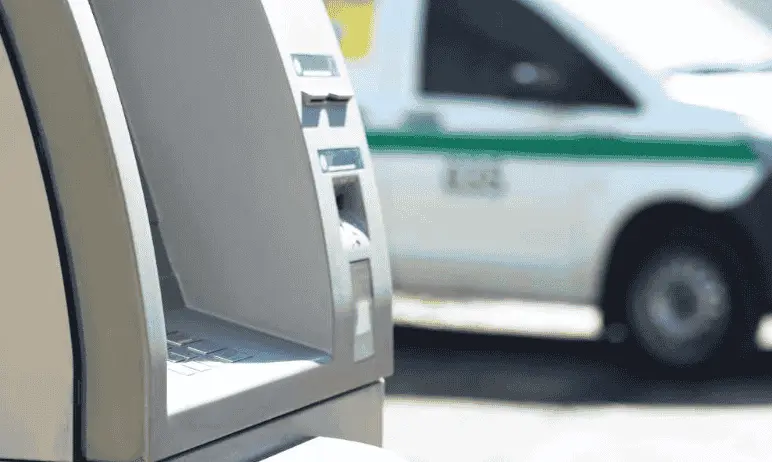
When you hear the term Cash in Transit, it’s really just about moving money from one place to another  safely. It could be from a shop to a bank, or from a bank to an ATM. Pretty simple idea, right? But it’s actually a whole system behind the scenes. In Bangladesh, where cash still runs much of the economy, this service plays a pretty big role. With so many banks, ATMs, and busy retail businesses, moving cash securely has become a daily routine. So, learning what Cash in Transit is and how it works in Bangladesh helps you understand how professionals, armored vehicles, and tech come together to keep every taka safe during the ride.
Why Cash in Transit Services Are Important

Let’s be honest, carrying big amounts of cash is risky business. In Bangladesh, where many companies deal with cash every single day, the need for security is no joke. That’s where cash in transit (CIT) services step in. They protect businesses from theft, robbery, or even small mistakes that can happen during manual transfers. Think of banks, malls, gas stations  all depending on safe transfers to stay operational. These services give peace of mind because everything is tracked, insured, and handled by trained people. As cities like Dhaka, Chittagong, and Khulna get busier, having professional help for this kind of work isn’t just convenient, it’s necessary for keeping the country’s financial flow running smoothly and secure.

How Cash in Transit Works in Bangladesh

Step 1: Collection from Client Locations

The process kicks off at the business site, a retail outlet, office, or bank branch. A team of security professionals shows up in armored vehicles to collect cash. Everything gets logged, sealed, and checked carefully before they leave. It’s a pretty strict routine because even a small error can cause big trouble later. In Bangladesh, this part matters the most since it builds trust right from the beginning. Every taka collected is counted, recorded, and packed properly to make sure it’s safe on the road. The collection stage might seem simple, but it’s the foundation of the whole system.

Step 2: Secure Transportation

Next comes the actual journey, probably the most sensitive part. The cash is transported in armored trucks equipped with CCTV, GPS, and radio systems that connect back to a control room. Guards stay alert the whole time, and every route is planned out to avoid risky spots or heavy traffic areas. In busy cities like Dhaka, that’s not always easy, but these teams have to be smart about timing and location. Every vehicle is tracked in real time, and communication never stops until they reach the destination. This stage is really where trust, discipline, and coordination come together.

Step 3: Delivery and Reconciliation

Finally, once the vehicle reaches its drop-off point  whether it’s a bank vault or an ATM servicing center  the team unloads and checks everything again. The cash is counted, matched against records, and verified through a double-check process. These days, many companies in Bangladesh use digital tracking systems that instantly update both sides. Once the delivery’s confirmed, everyone signs off, and receipts are exchanged. This final step ties everything together, ensuring transparency and trust between clients and service providers. It’s a bit procedural, yes, but it’s how the system stays tight and reliable.

Security Measures and Technology Used

If you peek behind the curtain, you’d see that Cash in Transit services run on technology and strict security layers. Every truck has GPS trackers, live cameras, and two-way radios for constant monitoring. Armed guards travel inside, while a control room team watches their every move. Before each trip, they plan routes, avoid high-risk zones, and check for anything unusual on the way. These aren’t random decisions; everything is structured and regulated by standards set by Bangladesh Bank and other authorities. On top of that, most CIT operations are insured, so even if something goes wrong, clients remain protected. Together, these tools and rules make the process not just safe but also dependable across Bangladesh’s busy financial network.

Challenges of Cash in Transit in Bangladesh

Of course, it’s not all smooth sailing. There are some tough challenges that CIT teams deal with every day. Traffic is one of the biggest headaches, especially in Dhaka or Chittagong, where congestion can easily mess up timing. Security threats also exist; organized crimes or road accidents can cause real trouble. Then there’s rural Bangladesh, where rough roads and bad weather can slow things down. Communication sometimes drops in remote areas, making coordination harder. And with the economy growing fast, the amount of cash moving each day keeps rising. That means companies must constantly train new staff, upgrade vehicles, and improve systems to stay ahead. These challenges may sound difficult, but they also push the industry to get stronger, smarter, and more reliable.

Benefits of Using Professional Cash in Transit Services

Hiring professionals for cash handling gives businesses a sense of relief. They know the money’s in safe hands. CIT services cut down the risk of theft, human mistakes, and even time loss. Trained guards and tech systems make sure every step  from collection to delivery  is tracked properly. Companies no longer need to send employees out carrying large sums; they can focus on running the business instead. Another big plus is insurance  if something goes wrong, there’s financial backup. For a country like Bangladesh, where cash still runs much of the trade, CIT services bring efficiency and security under one roof. It’s really a practical choice that saves both time and worry for banks and businesses alike.

The Growing Demand for CIT Services in Bangladesh

You can see how fast Bangladesh’s economy is growing with more banks, more ATMs, more stores, and more cash. Naturally, the demand for Cash in Transit services has gone up too. Cities like Dhaka, Sylhet, and Khulna are seeing more CIT vehicles on the streets, but even smaller towns are catching up. With e-commerce, microfinance, and retail expanding, businesses need reliable systems to move money safely. Many service providers are upgrading their vehicles, adding better tracking, and hiring trained security teams to meet this rise in demand. This shift shows how Bangladesh is building a stronger financial infrastructure, balancing modern tech with traditional cash handling. The trend isn’t slowing down anytime soon  if anything, it’s becoming a necessity for secure business growth.

Conclusion

In short, learning what Cash in Transit and how it works in Bangladesh gives you a clear idea of how the country’s financial system stays secure behind the scenes. It’s a mix of armored trucks, skilled guards, GPS tracking, and well-planned operations  all to make sure money reaches safely from one place to another. Despite everyday challenges like traffic, weather, or security risks, these teams keep things running with dedication. As the economy expands, the need for safe and fast cash handling is growing too. So, Cash in Transit isn’t just about moving money, it’s about keeping Bangladesh’s financial heartbeat steady and secure.

AB Securitas Bangladesh Ltd.

Editorial staff’s are at AB Securitas Bangladesh are experts in security guard services in Bangladesh.

5 Must-Have Skills for School Security Guards in Bangladesh

Security guards for schools

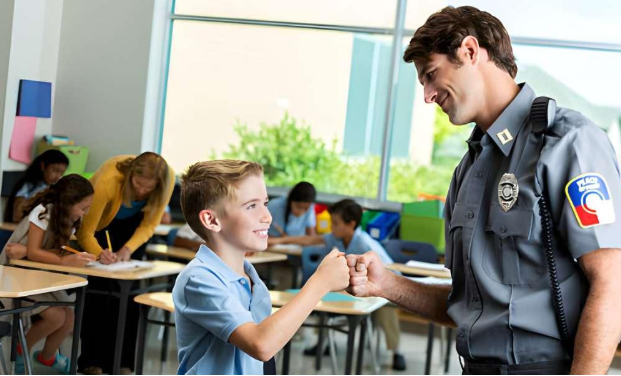
School Security Guards in Bangladesh have a tougher job than most people realize. It’s not just about standing near the gate or watching the CCTV screens all day. Their real duty is protecting hundreds of young students, teachers, and school property every single day. With more schools opening in busy cities like Dhaka and Chittagong, the need for skilled and alert guards keeps growing. Parents want peace of mind, knowing their children are safe inside the campus, and that only happens when there are trained people watching over things. From managing visitors to handling emergencies calmly, school guards hold a quiet but powerful role. So, let’s talk about the five most important skills every school security guard should have to keep schools in Bangladesh safe and secure.

1. Observation and Awareness Skills

The first thing that separates a good guard from an average one is awareness. A great school guard is always alert, eyes open, mind sharp. It’s not about being suspicious of everyone, but about noticing the small things that others might miss. Maybe a stranger standing too long near the wall, or two students arguing a little too loudly. In those small details, real threats often start. Guards need to constantly scan their surroundings without making students feel nervous. Staying aware helps them act before a problem grows. In Bangladesh, with schools often surrounded by busy streets and open spaces, being observant is a must. One quick reaction at the right time can stop an accident, prevent a fight, or even save a life. Awareness really is the heart of school security.

2. Communication and Interpersonal Skills

Now, being observant is good  but if a guard can’t talk clearly or handle people politely, things can go wrong fast. Communication is everything. Guards deal with all kinds of people every day, kids, teachers, parents, even delivery workers. Sometimes it’s just giving directions, sometimes it’s calming someone down. Being able to speak firmly but respectfully makes all the difference. A friendly tone can solve problems before they turn messy. Students should feel like they can trust the guard, not fear them. In Bangladesh, where schools are often close communities, understanding local manners and language really helps. It’s not just about speaking; it’s about listening, too. A guard who listens and communicates well becomes not just a protector, but a part of the school family.

3. Emergency Response and First Aid Knowledge

A school security defender’s capability to communicate truly and respectfully is simply as important as their bodily alertness. Good communique enables guards to interact correctly with college students, mother and father, teachers, and visitors. They want to stay calm, polite, and company even at some stage in demanding conditions  whether or not it’s guiding a lost traveler or resolving minor pupil conflicts. Interpersonal skills additionally assist construct belief; college students are more likely to method a friendly and approachable shield after they notice something uncommon. In Bangladesh, where faculties regularly have diverse groups, know-how local languages and cultural manners adds greater price. By retaining open and respectful verbal exchange, guards no longer simplest manipulate every day operations easily but also promote a safer and more cooperative faculty environment universal.

4. Discipline and Professional Conduct

A school guard’s discipline says a lot about the school itself. Students notice everything: how the guard stands, talks, dresses. That’s why discipline and professionalism matter so much. It’s not just showing up on time or wearing a clean uniform (though that’s part of it). It’s about doing the job with respect and seriousness, even when no one’s watching. Guards set an example for students about responsibility and respect. A professional guard doesn’t shout unnecessarily or lose patience, even when things get stressful. In Bangladeshi schools, where moral behavior is deeply valued, a disciplined attitude creates a calm and safe environment. Professionalism also means following rules, reporting incidents properly, and staying focused. When a guard behaves well, it builds trust  and trust is what safety is built on.

5. Technology and Surveillance System Handling

Modern schools aren’t guarded by using people alone anymore; there’s a lot of technology involved too. CCTV cameras, metal detectors, and alarm systems at the moment are part of everyday safety setups. So, guards need to know how to use them nicely. It’s no longer enough to just “watch the display”; they must understand how to evaluate footage, take care of alerts, or maybe troubleshoot small issues. In many faculties round Dhaka or Gazipur, protection systems are getting smarter, and guards must hold up. Mixing human judgment with tech recognition gives the quality protection. For instance, a digital camera would possibly catch what the attention misses, however it’s the guard who decides what’s worth performing on. Being tech-aware doesn’t imply being an expert, just being cushty enough to use the equipment that makes their task greater effective.

Conclusion

In the end, keeping schools safe isn’t a simple task; it takes patience, training, and care. These five skills  alertness, communication, emergency handling, discipline, and technology use  are what make truly effective School Security Guards in Bangladesh. When schools invest in guards who know how to combine these abilities, they create a safer space for learning and growth. Every parent wants to drop their child off without worry, and that peace of mind depends a lot on how capable the guards are. Good security doesn’t just protect buildings; it protects futures. So, every guard who stands at the school gate, watching quietly and ready to act, plays a bigger role than most people ever notice. A safer school is a stronger school  and that starts with the people guarding it.

AB Securitas Bangladesh Ltd.

Editorial staff’s are at AB Securitas Bangladesh are experts in security guard services in Bangladesh.

7 Tips to Choose the Best Cash in Transit Company Bangladesh

7 Tips to Choose the Best Cash in Transit Company Bangladesh

Moving large sums of cash is no small task, right? Especially here in Bangladesh, where businesses handle big daily transactions, salaries, and deposits. If that money doesn’t reach its destination safely, it can turn into a serious headache. That’s where cash in transit services come in from professionals who handle the hard part for you. But here’s the tricky bit: not every provider is reliable, and picking the wrong one can cost you more than just money. So how do you choose wisely? Finding the Best Cash in Transit Company Bangladesh means looking beyond flashy promises. You want someone trustworthy, experienced, and serious about security. Let’s walk through seven real tips that’ll help you choose a service you can depend on without losing sleep over it.

1. Check the Company’s Licensing and Certifications

First thing first  make sure the company’s legit. In Bangladesh, CIT (cash in transit) services must be registered and licensed under the Private Security Services Act. It’s not just paperwork; it’s what separates a professional operator from someone running trucks with no legal cover. A licensed company is accountable, follows strict security standards, and has to comply with government checks. If they’re operating without proper documentation or insurance, that’s a big red flag. Always ask for proof  permits, certificates, or anything official. Think of it this way: when you hand over cash, you’re trusting them with your livelihood. You deserve to know they’re authorized to protect it.

2. Evaluate the Experience and Reputation

You wouldn’t hand your day’s earnings to a newcomer, would you? Experience matters a lot in this line of work. A company that’s been handling cash transfers for years probably knows how to deal with Bangladesh’s busy roads, traffic jams, and even the odd security scare. Don’t just take their word for it, do a little digging. Look up client reviews, see what other businesses say, or ask for references. Reputation takes time to build and seconds to lose, so a well-established name usually means reliability. A good track record also tells you how the company reacts when something unexpected happens  because, let’s be honest, things don’t always go according to plan.

3. Assess Security Protocols and Vehicle Standards

This part’s a big deal. You need to know how the company actually protects your money on the move. Are they using armored vans or just regular vehicles? Do they have GPS tracking, onboard cameras, or even backup communication systems? These might sound like extras, but they’re not  especially in Bangladesh, where road conditions and unexpected events can pop up anytime. The best companies have strong loading and unloading procedures, sealed containers, and real-time route monitoring. Basically, your cash shouldn’t go anywhere untracked. It’s also smart to ask how often their vehicles get maintenance. A breakdown halfway through the city isn’t exactly ideal when you’re carrying high-value cash.

4. Review the Staff Training and Background Checks

Even the best equipment won’t mean much if the people handling your money aren’t well-trained or trustworthy. Every guard, driver, or escort in a cash in transit company should be properly trained  not just in security basics, but also how to stay calm and act fast if something goes wrong. In Bangladesh, reputable providers usually run strict background checks too, which is something you should ask about. You want to be sure the people moving your funds don’t have any hidden history or shady record. Some companies even refresh training sessions every few months. That’s a good sign  it means they care about improving safety standards instead of just ticking boxes.

5. Confirm Insurance and Liability Coverage

Here’s one many people skip, but it’s super important. Always confirm that your CIT provider has full insurance and liability coverage. Because even the most careful operation can face risks, accidents, theft, or damage, you name it. In Bangladesh, these things aren’t unheard of, so better safe than sorry. Ask them what their policy actually covers and whether your money is insured during the entire trip. A company that hesitates to give straight answers is one to avoid. Reliable providers are usually very open about their insurance terms. Remember, it’s not about being paranoid, it’s about being prepared for the worst while expecting the best.

6. Look for Transparency and Communication

A good cash in transit service won’t leave you in the dark. You should be able to track your funds, get real-time updates, and receive clear reports once the delivery’s done. Technology makes this easy now  some providers offer mobile apps or instant GPS updates. Transparency isn’t just about showing you routes; it’s also about being honest with costs and response times. If a company hides behind vague answers or confusing fees, that’s a bad sign. In Bangladesh’s fast-moving business environment, clear communication saves both time and trust. When you can talk to your provider easily and get quick, straight answers, it’s a sign they value your confidence as much as your cash.

7. Compare Pricing with Service Quality

Everyone needs a good deal, however when it comes to security, cheaper isn’t always better. Some vendors might offer a low rate however compromise on vehicle excellence, staff training, or protection measures. You certainly don’t need to gamble with that. Instead, evaluate several companies, observe what each one gives, and notice who provides the satisfactory mix of protection, reliability, and cost. Don’t be shy about soliciting for an in depth quote both  hidden charges can sneak up later. An accurate corporation may be transparent about everything in advance. Paying a bit more for peace of thoughts is regularly really worth it in the end, in particular when your property is actually at the move.

Conclusion

At the end of the day, picking the Best Cash in Transit Company Bangladesh comes down to trust, experience, and attention to detail. The right provider isn’t just moving your money; they’re protecting your business reputation and financial flow. Take the time to check their licenses, see how they operate, and ask all the right questions. It’s your right. With a bit of research and caution, you’ll find a reliable partner who values your security as much as you do. In a place as fast-paced and unpredictable as Bangladesh, having a dependable CIT service can make all the difference between peace of mind and constant worry. Choose wisely  your money deserves it.

AB Securitas Bangladesh Ltd.

Editorial staff’s are at AB Securitas Bangladesh are experts in security guard services in Bangladesh.

4 Scenarios Where Security Guards Are Better Than CCTV

4 Scenarios Where Security Guards Are Better Than CCTV

CCTV cameras are pretty much everywhere in Bangladesh now. Walk into a shopping mall in Dhaka or an apartment complex in Chattogram and you’ll see cameras on every corner. They’re handy for keeping an eye on things and recording what happens, but let’s be honest  they can only do so much. CCTV can’t think, can’t react, and definitely can’t step in when trouble starts.

That’s where security guards make a big difference. They bring human judgment, quick action, and real presence when safety’s on the line. It’s the reason businesses, events, and even neighborhoods still rely on people, not just machines. In this post, I’ll show you four big reasons why Security Guards Are Better Than CCTV, especially here in Bangladesh.

Handling Immediate Threats

Sure, a camera records what’s going on, but it won’t stop a thief in action. Imagine a small shop in Dhaka getting robbed. The CCTV will catch the footage, but it’s not going to scare off the guy holding the knife. A security guard, though? He can shout, trigger an alarm, maybe even stop the crime before it gets worse. And here’s the thing: just having a guard around makes criminals think twice. That human presence is often enough to prevent trouble. Cameras don’t protect people in real time, but guards do  and in high-risk spots, that makes all the difference.

Managing Large Crowds & Events

Crowds can get messy fast. Cameras might capture the scene from above, but they can’t stop a stampede or calm people down. Picture a big concert in Dhaka or a cricket match in Chattogram. The CCTV shows the chaos, but it’s the guards who manage the gates, direct people to exits, or step in when fights break out. They also give families and older folks a sense of safety, guiding them when things get confusing. At events, shopping festivals, or religious gatherings, security guards bring authority and order that no camera could ever provide.

Human Judgment & Decision Making

Here’s the thing about cameras: they see everything, but they understand nothing. A guard, on the other hand, can sense when something feels “off.” Say someone’s hanging around an ATM booth in Dhaka a little too long. The camera just records it. A guard might spot suspicious behavior, ask questions, and take action before a crime happens. Guards don’t just watch, they think. They read body language, use experience, and make calls in the moment. That’s why banks, offices, and residential buildings across Bangladesh put more trust in people than machines.

Help Beyond Just Security

This is a big one. Cameras don’t help you when something goes wrong  they just show it. Take a fire in a residential building. The CCTV shows smoke, but it won’t guide people out. Guards, though, can rush in, help evacuate, give first aid, and call the fire department. Same with accidents or medical emergencies  they’re usually the first to step in. Their job isn’t only about crime prevention; it’s about being there when people really need help. In a country like Bangladesh, with busy malls and crowded apartments, that human support is priceless.

Security Guards vs CCTV – A Balanced View


Aspect CCTV Security Guards Why Both Work Better in Bangladesh
Main Role Record and monitor events Take action, respond immediately Guards act fast while CCTV keeps evidence
Human Judgment None Can spot suspicious behavior Guards decide, cameras back them up
Emergency Help Cannot help Can guide and assist Guards provide help, CCTV watches over
Crime Deterrence Limited Strong presence Guards scare off criminals, cameras cover areas
Best Use 24/7 surveillance, evidence Protect crowds, events, buildings Combined, they create stronger security

Conclusion

At the end of the day, there are plenty of times when Security Guards Are Better Than CCTV. Guards stop threats in the moment, keep crowds under control, use judgment where machines can’t, and step up during emergencies. CCTV is useful, no doubt, but it mostly records what already happened. Real protection comes from a mix of both tech and people  with trained guards adding that extra layer of safety you just can’t replace. Whether it’s in a business center, at an event, or right outside your apartment, having a guard on site means peace of mind.

AB Securitas Bangladesh Ltd.

Editorial staff’s are at AB Securitas Bangladesh are experts in security guard services in Bangladesh.

7 Essential Safety Checks for Corporate Events in Bangladesh

7 Essential Safety Checks for Corporate Events in Bangladesh

Planning a corporate event? Yeah, it’s exciting  but honestly, it’s also stressful. There’s a lot to think about, and safety should be at the top of that list. Especially here in Bangladesh, where events can get pretty crowded fast (think Dhaka traffic but indoors!). Doing proper safety checks for corporate events in Bangladesh isn’t just about avoiding trouble, it’s about making sure everyone has a good time without worrying about stuff going wrong.

Big conferences, office parties, fancy product launches, whatever you’re hosting  all need a solid plan. Let’s talk about the main things you should double-check before the big day so your event doesn’t turn into a disaster story.

Venue Risk Assessment

First thing’s first: pick a venue that’s actually safe. Sounds obvious, but you’d be surprised how many people skip this step. Walk around the place before you book it, check if there are enough exits, if they’re easy to find, and if the space isn’t too cramped. If it’s in Dhaka or Chittagong, think about traffic too.

Can people get there easily? Is there a hospital nearby, just in case? Also, look for basic stuff like fire extinguishers, emergency lights, and whether the place has a safety certificate (most good venues do). A quick visit ahead of time can save a lot of headaches later.

Emergency Response Plan

Okay, worst-case scenario: fire alarm goes off, someone faints, or there’s a power cut. What’s the plan? You need one. Assign a small team as your “emergency crew” and give them a quick briefing. Keep first aid kits ready and visible. Save local emergency numbers on everyone’s phone: police, hospital, fire service.

If it’s a big event, let the local authorities know you’re hosting. They can respond faster if they already know about your event. This kind of prep keeps people calm and stops small issues from turning into big disasters.

Crowd Management & Access Control

Crowd control isn’t just for concerts, it’s a must for corporate events too. Have clear entry and exit points, maybe even separate them so people aren’t bumping into each other. Get staff or security at the door to check IDs or tickets. In busy corporate hubs like Gulshan, Banani, or Agrabad, use digital check-in to make things faster.

Add signs so people know where to go (seriously, it saves a lot of questions). Watching the number of people inside   too many guests in a small room is a safety risk. A few extra staff helping to direct people can prevent confusion and keep everything smooth.

Technical & Electrical Safety

Lights, sound, screens  they’re awesome until something blows a fuse. Always check your wiring, cables, and equipment before the event starts. Tape down any loose wires so no one trips. Power cuts are a thing in Dhaka, so having a backup generator or UPS is a lifesaver.

And please, let actual technicians handle the setup  of DIY electrical experiments on event day. If possible, have someone on standby to fix stuff quickly if something goes wrong mid-event.

Food & Beverage Safety

Let’s be real, everyone remembers the food. Make sure it’s for the right reasons. Choose a caterer with good hygiene practices and ask if they have a license, it matters. Check that food is stored properly, served hot (or cold, if needed), and handled with gloves. Label stuff with allergens like nuts or shellfish.

You’d be surprised how many people have serious allergies. Have clean drinking water stations ready   especially for outdoor events in hot areas like Chittagong. And if alcohol is on the menu, keep an eye on things so it doesn’t get out of hand.

Security Personnel & Surveillance

Even small events feel better with a little security around. Trained guards at the gate can check bags and keep troublemakers out. If it’s a big corporate event or you’ve got VIPs, get a professional security team   totally worth it. CCTV cameras covering key spots add extra peace of mind.

In bigger cities like Dhaka, you can even coordinate with local police to have backup if needed. Security isn’t just about stopping problems, it also makes guests feel safe so they can relax and enjoy themselves.

Communication & Incident Reporting

Communication is everything. Set up a way for staff to talk fast   walkie-talkies, a WhatsApp group, anything that works in real-time. Have a main contact point, like a control desk, where problems get reported. If anything goes wrong (even a minor trip-and-fall), write it down. That way, you know what to fix next time. Clear communication keeps things running smooth, and stops small problems from turning into total chaos.

Conclusion

Safe events are successful events; it’s that simple. Taking time to do these safety checks for corporate events in Bangladesh means less stress, fewer accidents, and happier guests. From checking the venue to setting up security and having a clear communication plan, these little steps make a big difference. Think of it as insurance for your event  just in case something unexpected happens.

Whether you’re hosting in Dhaka, Chittagong, or Sylhet, put safety first and you’ll have an event people actually enjoy (and remember for the right reasons).

AB Securitas Bangladesh Ltd.

Editorial staff’s are at AB Securitas Bangladesh are experts in security guard services in Bangladesh.

3 Key Tips for Hiring One-Day Security Guards in Dhaka, Bangladesh

3 Key Tips for Hiring One-Day Security Guards in Dhaka, Bangladesh

Hiring One-Day Security Guards in Dhaka, Bangladesh… yeah, it’s a big deal lately. Dhaka’s crazy busy, right? Events everywhere weddings, company parties, small community things and you can’t always plan security weeks ahead. Sometimes you just need someone for the day to keep things safe and smooth. It’s not just about having a guard standing there, though.

Pick the wrong person and, honestly, it can get messy fast. The right guard keeps things under control without making a fuss, and you get to actually enjoy your event. So, here’s three tips that’ll make picking a one-day guard way less stressful. Trust me, a little prep here saves a ton of headaches later.

Verify Credentials and Background

Okay, first things first: don’t just grab the first person who says they can “handle security.” Ask about their training or any kind of certification. Some guards might’ve worked weddings or office events before stuff that’s kinda like yours so that experience can be gold. And yeah, it feels awkward, but ask for references or past work details.

A quick call or two saves you from trouble later. Dhaka’s not the easiest city when it comes to safety, so you need someone who knows the ropes. If a guard hesitates or can’t show proof they’ve done this before… huge red flag. Doing a simple background check might feel over the top for one day, but you’ll thank yourself if something unexpected happens.

Evaluate Reliability and Professionalism

Now, let’s talk about showing up on time and actually looking the part. Punctuality is a big deal here, late guards equal stress for you. A clean, neat look and proper uniform? It makes a difference. It’s kinda like, if they don’t care about how they show up, can you trust them to care about your event? Also, communication matters way more than people think.

If they can’t talk clearly with you or your staff, even small things can turn into confusion. And Dhaka traffic or event chaos… plans change fast. Make sure the guard can roll with changes, like staying a bit longer if needed. Reliable guards are calm under pressure, which means you don’t have to be.

Understand Local Regulations and Costs

Lastly, money and rules. Yeah, not fun, but super important. Dhaka’s got its own set of standards for security, and while you don’t need to memorize them all, at least know the basics. It keeps you out of trouble if something comes up. Be clear about the pay like, really clear. Hourly rate, method, and how long you’ll need them. Surprises on payment day are the worst.

Also, think about extra stuff: maybe you’ll need someone who can handle crowd control or keep an eye on the entrance. It’s better to ask upfront than to assume they’ll do it. Knowing the local scene and locking down these details means fewer surprises and smoother security on the big day.

Conclusion

So, that’s three simple things that’ll make Hiring One-Day Security Guards in Dhaka way less of a headache. Check their background, look for someone reliable and professional, and don’t skip on understanding costs or local rules. Doing these makes your event safer, calmer, and just… easier. Honestly, a good one-day guard can make a huge difference.

You get to focus on the fun parts instead of stressing out. Whether it’s a wedding, a business thing, or just a private gathering, putting in a bit of effort upfront pays off big time. Dhaka can be hectic, but with the right guard, you’ll barely notice the chaos outside.

AB Securitas Bangladesh Ltd.

Editorial staff’s are at AB Securitas Bangladesh are experts in security guard services in Bangladesh.

4 Practical Ways to Reduce Corporate Security Costs in Bangladesh

4 practical ways to reduce security costs in bangladesh

So, here’s the thing… corporate security in Bangladesh has become, well, kinda expensive. Especially in places like Dhaka or Chattogram where businesses are growing fast, and risks are not just physical but also digital now. Many companies, big or small, are scratching their heads, like how do we keep everything safe without spending a fortune every month? That’s the problem, right.

Security is super important, but the bills just keep getting bigger. The good news is, there are some pretty practical ways to cut down on the waste and still stay safe. In this piece, I’ll walk you through four main ideas that actually work: audits, tech upgrades, training people, and outsourcing. Honestly, if you apply these, you’ll see how much you can reduce corporate security costs without weakening your safety game.

Do a Proper Security Audit

Let’s start with the basics. Lots of companies in Bangladesh just… keep paying for stuff they don’t even need anymore. Maybe they hired too many guards, or they’re running old systems that eat up money but don’t do much. That’s where a security audit comes in. Basically, it’s like looking under the hood to see where money is leaking.

Maybe in a Dhaka office, they got three guards at a low-risk entrance, when a simple access system could replace two of them. Or maybe the CCTV cameras aren’t even working half the time, but no one noticed. A full audit shows you the weak spots and the extra fat you can cut. If you do this every few months, you’ll keep things sharp and save a lot. Honestly, audits are one of the easiest ways to reduce corporate security costs without making big sacrifices.

Use Tech and Smarter Tools

Okay, so this one’s kinda obvious, but still overlooked. Technology is not just some fancy thing it’s actually a money-saver. A lot of businesses in Bangladesh depend way too much on manpower, which sounds fine, until you realize labor costs keep going up every year. Things like CCTV cameras, biometric access cards, or even motion detectors can cut down how many guards you need.

Imagine a retail shop in Chattogram. Instead of paying three people to keep watch, you put in a few good cameras that cover every angle and a simple alarm system. Done. Yeah, tech costs a bit upfront, but over time you’ll notice the savings are huge. Plus, machines don’t get tired, don’t miss details, and they don’t call in sick. Investing in the right tech is a no-brainer if you really want to reduce corporate security costs for the long run.

Train the Guards You Already Have

Here’s the thing: hiring more people isn’t always the answer. In fact, it usually just burns more money. But, if you train the people you already got, you’ll be surprised how much more they can do. In Bangladesh, a lot of companies just throw more guards at a problem instead of teaching the current ones better skills. But a trained guard can handle two or three tasks at once, like checking IDs, keeping an eye on cameras, and knowing what to do in emergencies. And the best part is that trained staff make fewer mistakes.

Mistakes can cost money, sometimes a lot of it. Plus, when people get proper training, they actually feel valued and stick around longer, so you don’t have to spend extra on hiring new ones all the time. So yeah, better training is a smart way to reduce corporate security costs without cutting corners.

Outsource Instead of Doing Everything In-House

Outsourcing… Some people don’t like the idea, but honestly, it works. Running your own in-house security team in Bangladesh can be a headache. You gotta recruit, train, pay salaries, deal with legal stuff, it’s a lot. Outsourcing skips all that. You just pick a provider, tell them what you need, and they handle the rest. And the nice thing? Most providers offer different packages, so you don’t pay for services you don’t need.

Maybe your office only needs night-time coverage, or your factory needs weekend patrols. Outsourcing makes it flexible. Also, these companies usually know the labor laws better, so you don’t get hit with random fines or compliance problems. At the end of the day, outsourcing lets you stay focused on your business, while also helping to reduce corporate security costs quite a bit.

Extra Tips to Save a Bit More

Besides the big four ideas, there are some smaller tricks too. For example, swapping old lights for energy-efficient ones cuts down electricity bills while making places safer at night. Or using integrated monitoring software that combines data from cameras, alarms, and other systems so you need fewer people to manage it.

Another smart move is mixing physical security with digital solutions, so you don’t need two separate teams for every risk. And don’t forget sometimes just following government guidelines properly saves you from paying heavy fines later. Little stuff like that adds up, believe me. Every adjustment, big or small, plays a role when you’re trying to reduce corporate security costs and run things smoothly.

Conclusion

So, yeah, security doesn’t have to break the bank. If you look closely, there’s always some fat you can trim. Do regular audits, use smart technology, train your current team instead of over-hiring, and outsource when it makes sense. Add a few extra cost-saving tricks here and there, and you’ve got a system that’s both safe and affordable.

For businesses in Bangladesh whether in Dhaka, Chattogram, or anywhere else it’s really about finding that sweet spot between keeping your assets safe and not overspending. Don’t just keep paying for the same old systems or manpower without questioning it. Smarter, flexible strategies will always give better results. At the end of the day, the goal is simple: stay secure, stay efficient, and yes reduce corporate security costs in a way that actually works long term.

You can also read: Corporate Security Challenges in Bangladesh and Solutions

AB Securitas Bangladesh Ltd.

Editorial staff’s are at AB Securitas Bangladesh are experts in security guard services in Bangladesh.